

Plastic Surgery Scissors Manufacturer and Supplier
Plastic Surgery Scissors are fine cutting instruments used in aesthetic, reconstructive, facial, nasal, and soft tissue procedures. They help surgeons cut, dissect, trim, and shape delicate tissue with control.
Jalal Surgical manufactures and supplies reusable plastic surgery scissor instruments for hospitals, plastic surgery clinics, surgical centers, distributors, and OEM/private label buyers worldwide.
In addition, we support catalogue requests, RFQs, bulk supply, export orders, custom branding, and private label manufacturing.
What Are Plastic Surgery Scissors?
These Scissors are surgical cutting tools designed for controlled dissection, soft tissue trimming, facial work, nasal surgery, and fine access areas. Surgeons use them where accuracy, balance, and smooth cutting action matter.
For this reason, these scissors come in many patterns. Common options include straight blades, curved blades, delicate tips, blunt tips, fine jaws, angled shafts, and specialty designs.
Moreover, buyers often compare facelift scissors, rhinoplasty scissors, endoscopic scissors, operating scissors, and dissecting scissors before placing an order.
Common Basic Types of Plastic Surgery Scissors
This category includes scissors for routine cutting, dissection, ligature work, facelift surgery, rhinoplasty, endoscopic access, and fine facial procedures.
For example, buyers choose each pattern according to blade curve, tip profile, cutting edge, tissue depth, working length, and surgeon preference.
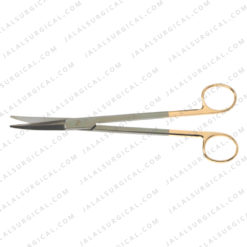
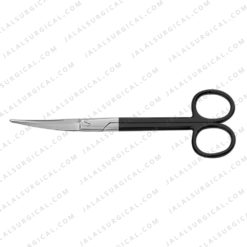
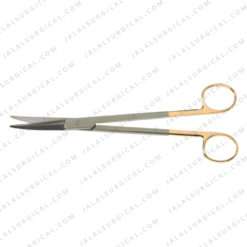
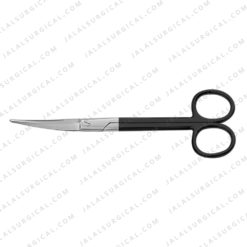
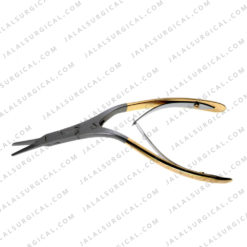
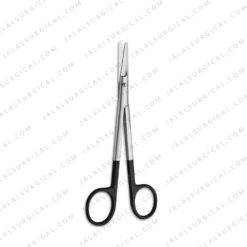
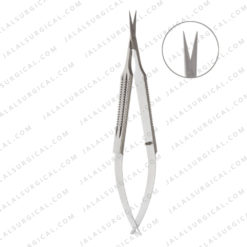
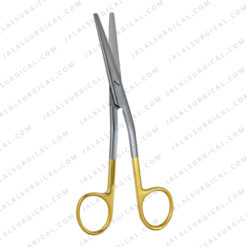
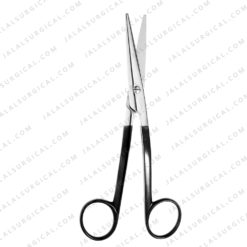
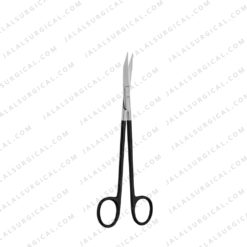
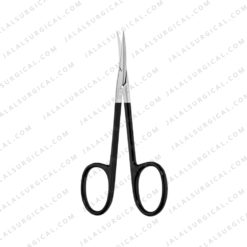
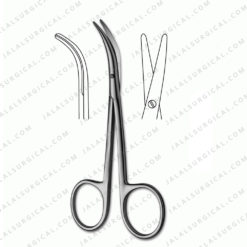
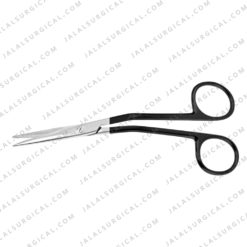
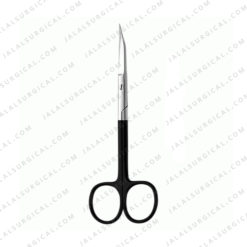
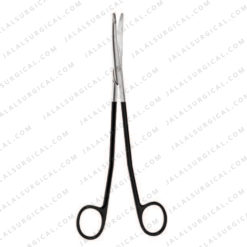
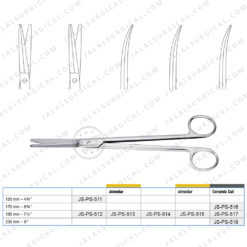
| 1- Operating Scissors – Dissecting Scissors | 2- Ligature Scissors | 3- General Plastic Surgery Scissors |
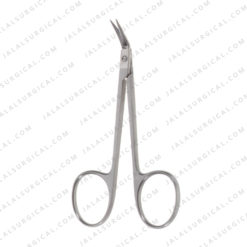
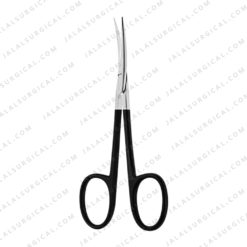
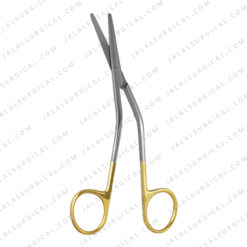
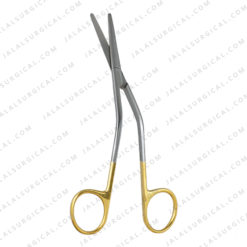
| 4- Gorney Facelift Scissors |
Additionally, this table helps buyers compare common patterns before selecting single instruments or complete plastic surgery sets.
Operating, Dissecting, and Ligature Scissors
Operating scissors support routine cutting tasks during plastic and reconstructive procedures. Buyers usually select them by blade length, curve, tip type, and handle size.
Similarly, dissecting scissors help separate soft tissue with controlled movement. Their design can support shallow work, deeper access, or fine tissue planes.
Also, ligature scissors support suture or thread cutting during selected procedures. Buyers should check cutting action, blade meeting, and tip finish before ordering.
Facelift Scissors and Gorney Facelift Scissors
Facelift scissors support controlled dissection in facial and soft tissue procedures. They help surgeons work through tissue layers with balance and smooth handling.
For example, Gorney facelift scissors are known patterns used for facelift-related dissection. Buyers often review blade curve, length, handle comfort, and tip control before purchase.
Rhinoplasty Scissors and Endoscopic Scissors
Rhinoplasty scissors support nasal and fine facial work where access is narrow. Their design may include delicate tips, angled blades, or curved patterns for controlled cutting.
Furthermore, endoscopic scissors support selected procedures where long access, visibility, and fine control are important. Buyers usually compare shaft length, jaw design, and cutting feel.
Intended Use of Plastic Surgery Scissors
Plastic Surgery Scissors support soft tissue cutting, fine dissection, trimming, ligature cutting, facelift work, rhinoplasty support, and endoscopic access.
However, the final use depends on the selected pattern, blade shape, tip design, working length, tissue type, and clinical need.
Design Features of Plastic Scissor Instruments
Common design features include straight blades, curved blades, fine tips, blunt tips, delicate jaws, ring handles, angled patterns, and different working lengths.
For example, curved facelift patterns may help with smooth tissue dissection. Fine rhinoplasty patterns may support narrow nasal access.
Moreover, endoscopic patterns may need longer shafts and controlled jaw movement. A clean finish and smooth joint action also matter during repeated use.
Material and Reusable Quality
Many reusable plastic surgical scissor instruments use surgical-grade stainless steel for strength, rust resistance, and long service life. A smooth surface also helps with cleaning and handling.
Additionally, quality checks may include blade sharpness, tip alignment, joint movement, cutting test, handle finish, surface condition, and packing readiness.
How to Choose the Right Plastic Surgery Scissors
Choosing the correct pattern starts with the procedure type, tissue depth, blade curve, tip style, length, and cutting need.
For example, facelift procedures may require longer curved scissors. Rhinoplasty may require fine or angled patterns. Endoscopic work may need slim access and controlled jaw movement.
Also, hospitals and distributors should review catalogue codes, available sizes, finish quality, packing details, and bulk pricing before purchase.
Why Buy Plastic Surgery Scissors from Jalal Surgical?
Jalal Surgical supplies reusable Surgery Scissors, operating scissors, dissecting scissors, ligature scissors, facelift scissors, rhinoplasty scissors, endoscopic scissors, and Gorney facelift scissors.
Moreover, we support hospitals, plastic surgery clinics, surgical centers, distributors, OEM/private label partners, and medical equipment suppliers with catalogue help, RFQs, export documentation, custom branding, and bulk manufacturing.
FAQs About Plastic Surgery Scissors
1. What are Plastic Surgery Scissors used for?
Plastic Surgery Scissors support soft tissue cutting, dissection, trimming, facelift work, rhinoplasty procedures, ligature cutting, and fine surgical access.
2. What types of plastic surgery scissor instruments are available?
Common types include operating scissors, dissecting scissors, ligature scissors, facelift scissors, rhinoplasty scissors, endoscopic scissors, and Gorney facelift scissors.
3. What are facelift scissors used for?
Facelift scissors support controlled soft tissue dissection during facial plastic surgery. Selection depends on blade curve, length, and surgeon preference.
4. Are these scissors reusable?
Yes. Most professional stainless steel scissor instruments are reusable after proper cleaning, inspection, and sterilization.
5. Do you support OEM and private label manufacturing?
Yes. Jalal Surgical supports OEM production, private labeling, bulk supply, export support, and catalogue assistance for global buyers.
Request a Quote for Plastic Surgery Scissors
Finally, contact Jalal Surgical to request a quotation, catalogue, OEM support, or bulk pricing for Plastic Surgical Scissors, facelift scissors, rhinoplasty scissors, endoscopic scissors, dissecting scissors, and Gorney facelift scissors.